12 Solo Travel Tips to Stay Safe, Prepared and Protected
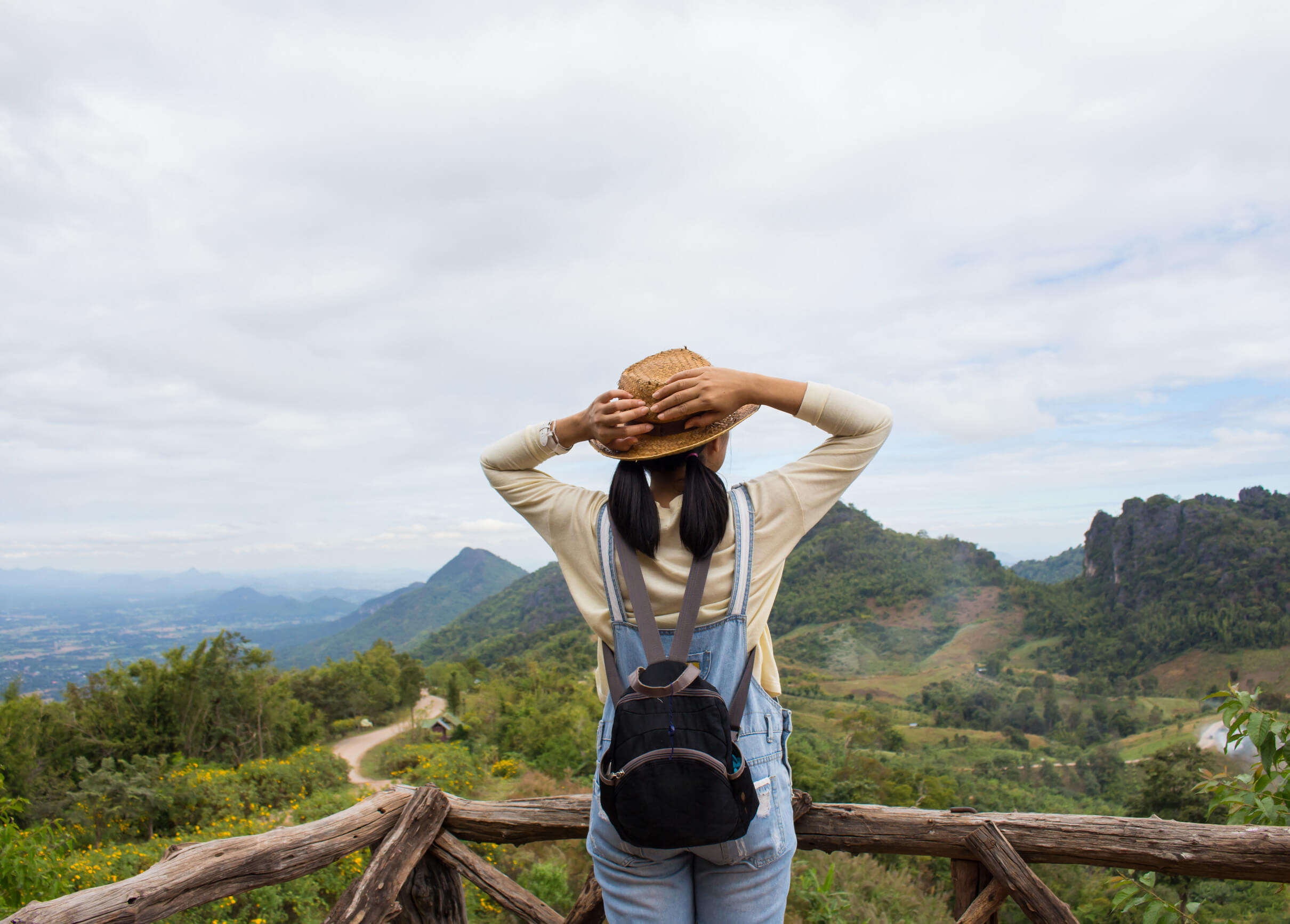
Travelling alone is something many people have considered at least once. Solo trips offer a sense of freedom and self-discovery that’s hard to replicate when you’re travelling with companions.
But whether you’re male or female, travelling alone does require extra caution as you’re on your own, in a foreign location. While it is exciting, it can also be challenging, especially when navigating unfamiliar environments.
The good news is, with careful preparation, solo travelling can become an enjoyable, empowering, and enriching experience. If you’re unsure how to get started, here are some helpful tips to guide you so you can be better prepared.
1. Research Local Information and Stay Alert
Before your trip, spend time learning about the country or city you’re visiting. Understanding cultural norms helps you avoid offending locals and violating social taboos. This also allows you to blend in more smoothly.
Researching common behaviours, dress expectations, social etiquette, and local customs can make your trip more enjoyable and respectful, especially in cases where you are visiting any religious attractions.
It’s also a good idea to be aware of any common tourist scams in the place you are visiting, so you don’t get fleeced. Stay alert at all times and avoid unnecessary trouble.
2. Keep Important Documents Safe
Your essentials become even more important when travelling solo. Keep your passport, identification, hotel details, credit cards, and emergency contacts safely with you at all times.
Make physical and digital copies of these documents as backups. It’s recommended to store a copy in your luggage and another in your phone or cloud storage.
Having duplicates can save you a lot of stress if anything gets misplaced or lost.
3. Register with Your Embassy & Check Official Travel Advisories
To get an extra layer of security during your solo travels, it is highly recommended to register with your embassy or consulate when travelling to another country, especially if it’s for a longer trip.
While this is mostly done voluntarily, this is a free service which allows them to contact you immediately if any emergencies happen, such as natural disasters, where you need the embassy’s assistance.
Also, remember to check the latest government-issued travel advisories before you depart so you can be better prepared or reconsider any travel plans.
4. Plan Your Phone Data and Keep Emergency Numbers
The smartphone is an essential part of our lives now and it is also your reliable companion to navigate your solo trip smoothly.
That’s why having reliable internet connectivity is essential for navigation, communication, and emergencies. Before you travel, decide whether to activate an international roaming plan or purchase a local SIM card upon arrival.
Consistent data access ensures you can contact someone quickly, look up information, or reach help when needed.
Also, look into how to handle different situations such as emergencies, getting help, or reporting issues. Save local emergency numbers and your embassy’s contact details in your mobile for quick access.
5. Carry a Power Bank and Download Essential Files
Your mobile phone is your map, translator, emergency tool, and communication device. Always keep it charged.
Carry a reliable power bank so you won’t be stranded without battery, especially when navigating new places or when you need assistance urgently.
There may also be situations where your prepared data or roaming may not always be available, especially during long transit, in rural areas, or when Wi-Fi is unreliable. Download offline maps so you can still navigate even without the internet.
Save important files like booking confirmations, transport instructions, and hotel addresses directly on your phone. This ensures you can always access important information, even in areas with poor network coverage.
6. Update Trusted People on Your Itinerary
Before you go on your trip, share your travel plans with close family or friends. Details such as where you’re staying on which date, where you plan to go, and what activities you’ve lined up.
And during your trip, check in with them regularly. This way, someone back home always knows your whereabouts and can quickly raise an alarm if something unexpected happens or if you’re uncontactable for a period of time without warning.
7. Avoid Sharing Real-Time Locations on Social Media
Sharing social media posts is the norm, but when you’re travelling alone, it’s best to refrain from doing so, especially if you’re doing it in real-time.
As tempting as it is to post updates instantly, real-time sharing exposes your location and movements, which can make you vulnerable if someone has malicious intentions.
It’s safer to post photos and updates only after you’ve left the place. If someone you are not familiar with asks about your travel plans, avoid sharing the details with them as well.
You should also consider sharing on social media after you’ve come back from your trip, to prevent anyone from knowing that your house is left empty during your travels.
8. Use a Secure Bag or Money Belt
Protect your belongings by using an anti-theft bag, secure sling, or money belt. You can also consider taking out a set amount of money for the day’s expenses and securing the rest in your money belt. These options reduce the risk of pickpocketing and keep your valuables close to you.
Avoid flashing money or expensive items in public. Staying discreet helps you blend in and reduces unnecessary attention.
9. Pack Safety Items Within Allowed Rules
Safety tools can provide peace of mind when travelling alone. Consider bringing items such as luggage locks, portable door locks, door alarms, or personal keychain alarms. These items are lightweight, easy to use, and can enhance your security, especially in shared accommodations or unfamiliar surroundings.
If you want to bring other self-defence items, always check airline restrictions and local laws to make sure your items are allowed.
10. Take Necessary Health Precautions
Remember to check with the health authorities such as the World Health Organization (WHO) or the local government for specific requirements on any mandatory vaccination requirements to ensure a smooth entry.
If you need to bring along any prescription medication, check whether there are any restrictions or supporting documents that you need to bring along, such as a doctor’s note.
If not, it is also a good idea to prepare a basic first-aid kit consisting of items such as commonly used over-the-counter medication, bandages, antibiotic ointment and pain relievers.
11. Plan to Arrive During the Day & Use Reliable Transportation
Try to plan your arrival during daylight hours. It’s easier to find transport, locate your accommodation, and familiarise yourself with your surroundings when everything is open and visible. Daytime arrivals generally feel safer and more manageable for solo travellers.
When travelling to your accommodation or to visit attractions, choose official, reputable transportation options such as licensed taxis, ride-hailing apps, hotel-recommended drivers, or well-established public transport.
Using verified and trusted transport methods ensures your safety and makes you less likely to get scammed.
12. Get Travel Insurance
Last but definitely not least, don’t forget to get travel insurance. This is one of the most important things you need to do before your travels.
Depending on the insurance plan you choose, it can help cover costs or provide compensation in unexpected situations such as medical emergencies, trip disruptions, or lost belongings.
At Kurnia Insurans, we offer several travel insurance plans to fit every traveller and their budget. You can also purchase Kurnia Travel Supreme online in just a few minutes.
For solo travellers, having travel insurance offers valuable peace of mind and support when you need it most.
Conclusion
Solo travelling can be one of the most transformative experiences you’ll ever have. With thoughtful preparation, a focus on safety and travel insurance to give you extra peace of mind, you’ll be free to enjoy your adventure with confidence and create unforgettable memories along the way. Safe travels!
Disclaimer: This blog post is strictly for informational purposes, and should not be taken as advice of any kind. Kurnia disclaims all responsibility for any losses resulting from reliance on the information contained in this article.
Liberty General Insurance Berhad is a member of Perbadanan Insurans Deposit Malaysia (PIDM). PIDM protects the benefit(s) payable under the eligible policy up to protection limits. Please refer to PIDM's TIPS Brochure or PIDM's Website, or contact our customer service.